
Tuesday 23 June marks International Women in Engineering Day, a global celebration of the achievements of women in engineering and a call to inspire the next generation to consider careers in the field.
At Babcock, we’re proud to recognise the talented women across our business who are shaping the future of engineering. To mark the occasion, we spoke with five of our engineers about what drew them to the profession, what continues to inspire them, and the advice they would share with those considering a similar path.
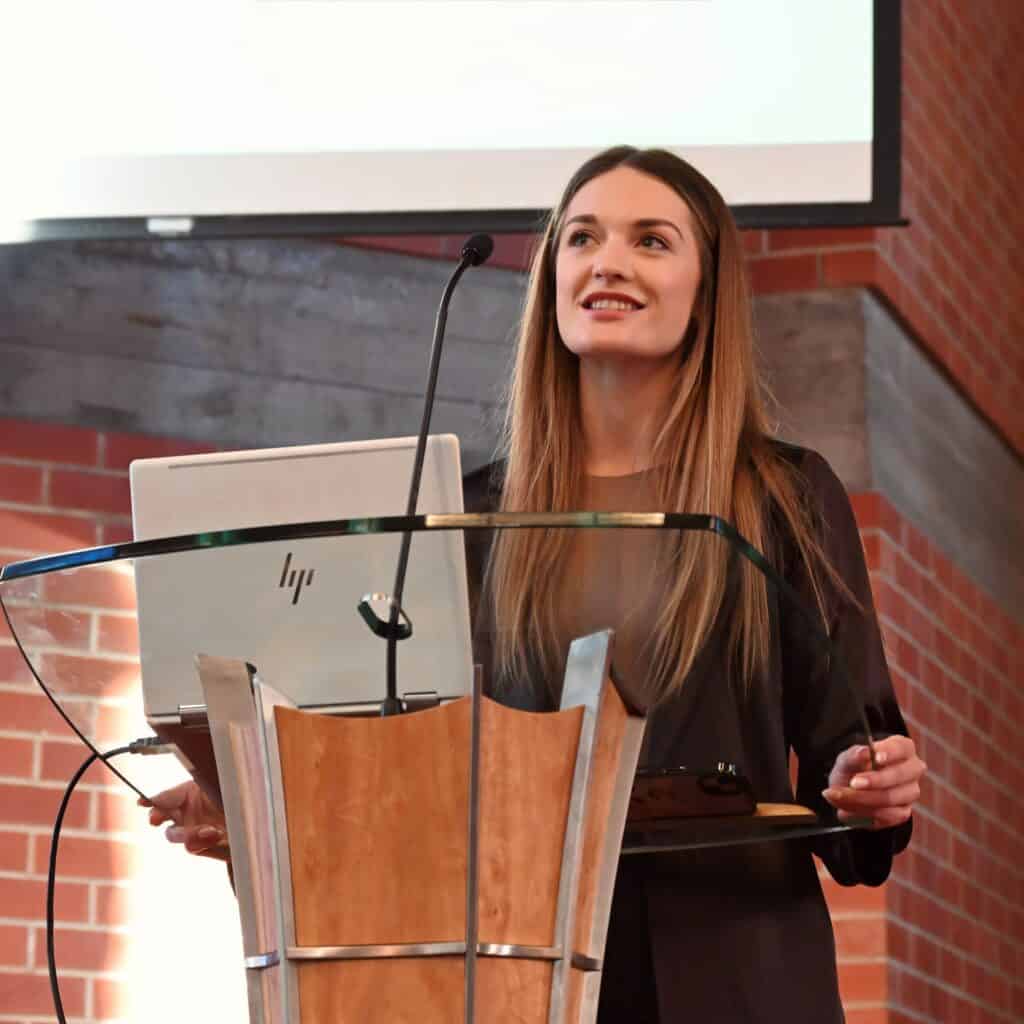
Catherine Haynes,
Program Engineering Manager
Tania Wiles,
Hardware Engineering Manager
Jemma Francis,
Systems Engineer
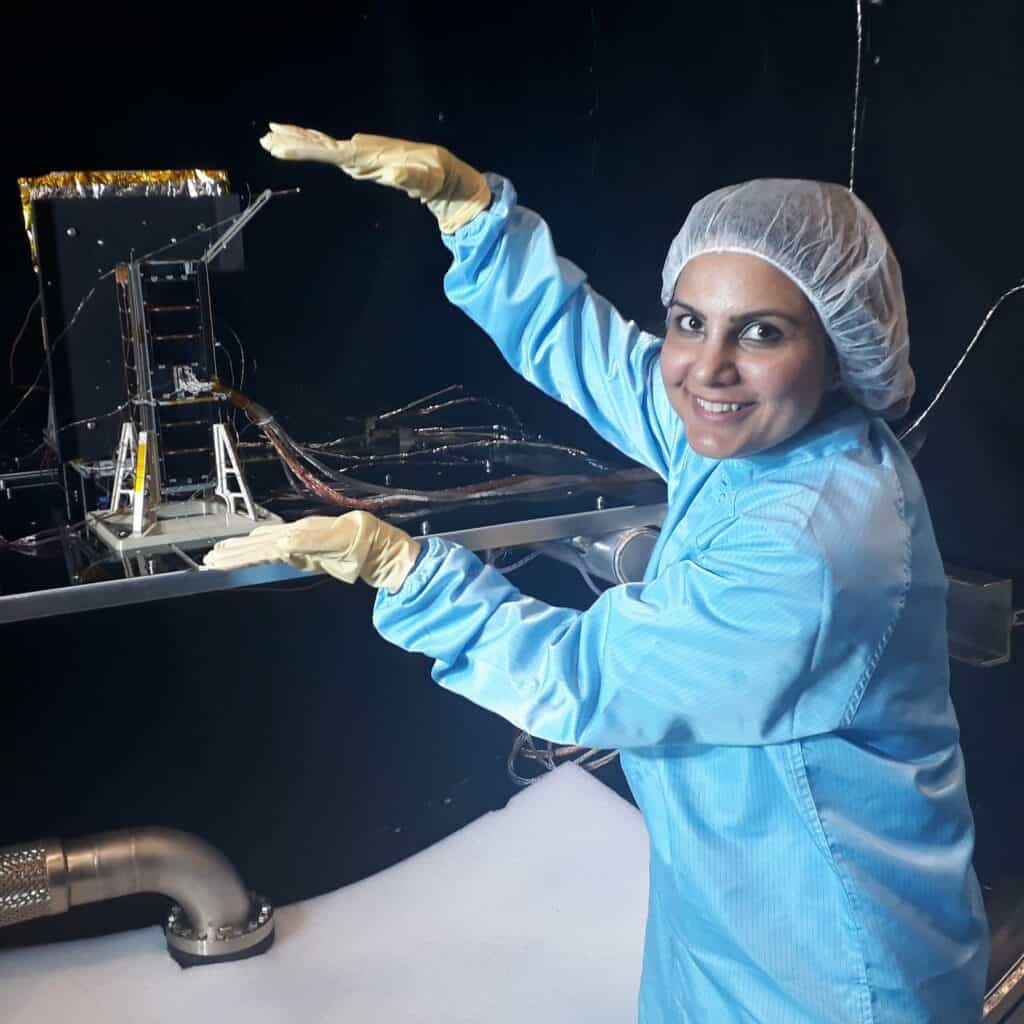
Fatima Shafiq,
Senior Systems Engineer
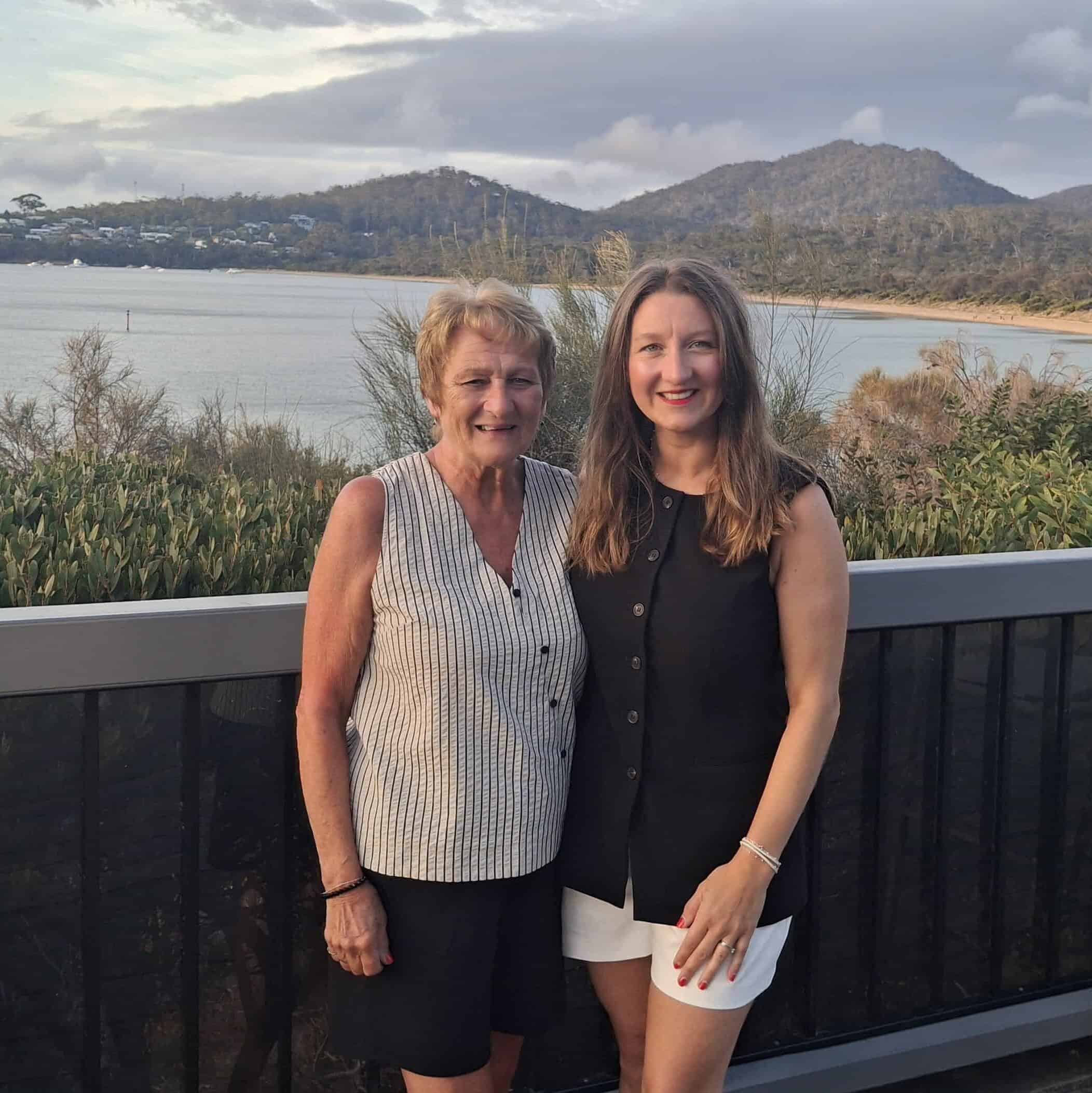
Rachel Eyre,
Engineering Change Manager
What drew you to engineering?
Catherine: “I was torn between music and science and did my first degrees in classical performance. I spent the first part of my career in the classical music industry before an injury led me back to university to study engineering. I saw it as a field grounded in science and logic that still has endless opportunities for creative thinking and problem solving.”
Tania: “My path into engineering wasn’t perfectly linear, but I’ve always been drawn to problem solving and understanding how things work. What attracted me was the chance to work on complex, practical problems with real-world impact – particularly in defence. I did a lot of performing arts at school, and I like that engineering sits between creativity, logic and impact, where you can turn an idea into something tangible and useful.”
Jemma: “I’ve always been drawn to understanding how things work and building things out of whatever I could find, even before I fully understood what that meant. In high school I realised I could turn that curiosity into a career.”
Fatima: “I always dreamed of becoming a space scientist – imagining NASA, distant galaxies and interplanetary travel. ‘Scientist’ was a word everyone understood, and at the time I knew so little about what an engineer really was. But I found myself stepping into engineering, and it set me free. It gave me the space to try, to learn, and to grow into someone I never knew I was becoming.”
What do you love about being an engineer?
Rachel: “Problem solving. In my current role, each engineering change brings a new challenge to understand, assess and implement. I find it really rewarding to be at the centre of that process, translating complex requirements into practical outcomes for the Royal New Zealand Navy. I also love the people.”
Tania: “I love that engineering lets me creatively solve difficult problems with other smart, capable people. No two days are the same and there’s always something new to learn. I also value that Babcock’s engineering work has a real impact on defence. Engineering rewards persistence – you don’t need all the answers immediately, you need to be willing to ask good questions, work through uncertainty and keep improving the solution.”
Catherine: “I love that engineering has so many pathways and opportunities. My career has taken me into engineering management, which lets me apply technical and management skills across a wide range of disciplines. One of the best things about engineering is that there are always opportunities to learn – whether you go deeper into a specialism to become a subject matter expert, or broaden into multi-disciplinary work.”
Fatima: “For me, engineering is the spark that keeps the mind alive – a field where curiosity becomes creation. I’ve worked across land, sea, air and space domains, and nothing has ever been static. The work evolves as dynamically as you’re willing to push yourself.”
What’s been a highlight of your career so far?
Rachel: “Spending three days onboard a Royal Navy Vanguard Class submarine supporting sea trials was a real highlight. I gained invaluable insight into the physical and operational limitations of the vessel, and experienced the high-pressure environment the crew operate in. It brought to life how the decisions I make in my day job translate directly to the people onboard, and how they affect how safely and effectively they can do their job. That experience continues to shape how I approach engineering decisions, making sure they’re practical and tailored to the end user.”
Jemma: “A major highlight has been working as a systems engineer on the acquisition of key capability assets for the ADF. Identifying and filling capability gaps, then seeing an asset through to service – and getting to test on actual RAAF aircraft alongside those in uniform – has been incredibly rewarding.”
Fatima: “I’ve been fortunate to work on many extraordinary projects, but the ones closest to my heart are the space missions. Knowing that something I helped build is still out there, silently spinning above Earth, is a feeling beyond words. In a country where the space sector is still finding its wings, contributing to Australia’s journey fills me with real pride and purpose.”
What advice would you give to the next generation of female engineers?
Rachel: “Take every opportunity offered – confidence and experience come from doing. It’s okay to ask for help and to make mistakes. Building strong relationships is key; some of the best outcomes come from collaboration, and a good support network makes a big difference.”
Jemma: “Ask questions, seek feedback and put your hand up for opportunities even when you don’t feel completely ready. Growth happens when you stretch – and you’ll always have people around you willing to support you and help you learn.”
Tania: “You don’t need to fit a narrow stereotype of what an engineer looks or sounds like. Back yourself, and never be afraid to ask the ‘stupid’ question. Seek out mentors and sponsors, and don’t underestimate the value of your perspective. Don’t wait until you feel completely ready before you put yourself forward – most of my opportunities have come with learning on the job.”
Fatima: “My advice to every engineer is to nurture passion, not just interest. Interest may light the spark, but passion is what carries you through the late nights, the setbacks and the breakthroughs. Engineering needs your voice, your ideas and your imagination.”
Why is representation of women in engineering important?
Tania: “Visibility changes what people believe is possible. When girls and young women see women working, leading and succeeding in engineering, it challenges outdated assumptions about who belongs in technical fields. The people designing systems, products and infrastructure should reflect the diversity of the people who use them. When women are represented, we broaden the range of perspectives and problem-solving approaches in the room, and achieve more together.”
Catherine: “When women in engineering are underrepresented, we risk missing out on a large portion of future engineers, innovators and leaders. Representation inspires the next generation, challenges stereotypes and highlights what’s possible for women in engineering.”
Jemma: “When women see other women succeeding in engineering, it normalises our place in the profession and shows there’s no need to feel intimidated about starting out.”
Fatima: “Engineering is, at its heart, the art of solving puzzles and creating what has never existed before. Every mind brings its own way of seeing the world, and women add depth, empathy and a powerful human dimension to engineering. Every woman who steps into this field strengthens it for those who follow.”
How can organisations better support women in engineering roles?
Tania: “Inclusion isn’t just about hiring more women – it’s about creating a culture where women can stay, progress and lead. A big part of that is flexibility. Many women in engineering are also working parents or carers, and rigid structures make it unnecessarily hard to stay in technical or leadership roles. Flexible hours, hybrid work, part-time leadership pathways and a culture that doesn’t penalise people for responsibilities outside work all make a difference. It also means addressing everyday bias – who gets heard in meetings, who gets access to challenging work, who is encouraged into leadership.”
Jemma: “It’s about creating environments where women feel heard, respected and able to grow. It’s not about having equal numbers in every room, but about making sure men and women have equal opportunities to get into the room and contribute meaningfully.”
Fatima: “Organisations like Babcock are taking responsible steps forward, particularly through initiatives like Illuminate. Whenever I can, I volunteer with programs including Young Women in STEM, STEM Women Talent Engagement and various career expos. These give young women invaluable visibility, encouragement and guidance, and help shape confidence, ambition and a sense of belonging.”
We thank Rachel, Fatima, Tania, Jemma and Catherine for sharing their experiences and insights.
Their stories highlight the diverse pathways into engineering, the value of different perspectives, and the important role women play in shaping the future of the industry. As we celebrate International Women in Engineering Day, we remain committed to fostering an inclusive environment where everyone can thrive and contribute.