
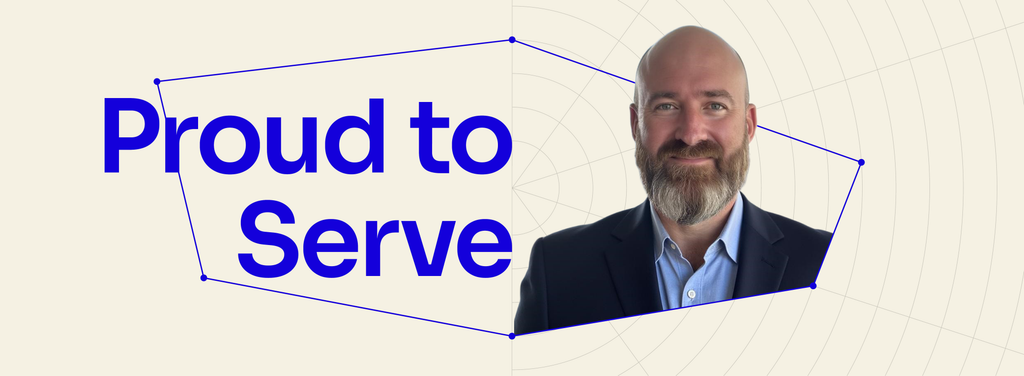
Matt is Head of Customer Service and Delivery for Babcock’s Aviation business in Australia. He served for more than two decades across the Royal Australian Air Force and Australian Army.
Matt flew in C-130 Hercules transport aircraft and military helicopters across demanding operational environments – including East Timor, Banda Aceh and Afghanistan. He then spent 11 years flying Iroquois and Black Hawks before becoming a Black Hawk instructor at the School of Army Aviation.
Today, Matt’s role includes leading the teams that deliver Babcock’s helicopter emergency medical services across Australia.
We caught up with Matt to chat about his career at Babcock, and the pathway he followed transitioning from Defence to civilian employment.
You served across both the Air Force and the Army for more than two decades. What drew you to military service in the first place?
I was always going to be in the military, I think. Like quite a few Babcock team members, I joined the Air Training Corps (Air Force Cadets) when I was 13. In year 12, I joined the RAAF Reserves before transferring to full time service the following year in 1993. I served 10 years in the RAAF, mainly as a loadmaster on C130 aircraft. In 2003, I transferred to the Army as a pilot before leaving fulltime service in 2014. I spent a few years as a reservist and transferred back to the RAAF Reserves in 2020 before finally separating in 2023.
I’m the only one in my immediate family with recent service, but like a lot of people there’s a longer family connection. My grandfather and several great uncles served in both World Wars. One of them, my great-great uncle Lawrence Weathers VC, was killed in France towards the end of WWI. I remember my grandmother talking about him with a lot of pride, which has always stuck with me.
What brought you to Babcock, and what has your path through the business looked like?
After leaving the Army I flew the police helicopter for Victoria Police – you have to become a sworn officer to do that, so I went through the police academy first. I eventually moved into a marine pilot transfer role in Karratha, but I’d always wanted to get into emergency medical services aviation. I reached out to a contact at Babcock and was able to secure a pilot role in Adelaide. From Adelaide I went to Horn Island in Queensland, then to Victoria, where I flew on the Air Ambulance Victoria contract before moving into my current leadership role.
What is your role at Babcock today?
I’m the Head of Customer Service and Delivery in the Aviation team. I look after our client relationships and overall service delivery, along with a few other bits and pieces that come with the role. I also lead the project management teams responsible for bringing new contracts and capabilities into the business.
It’s a good mix of operational and strategic work, and I get to work across most parts of the organisation, which I really enjoy.
How has Babcock supported your development?
I was a member of the ADF Reserves for several years of my employment at Babcock and am grateful for the support offered by the business to complete my Reserve training obligations and development.
In recent years, Babcock has provided study support and exam leave to complete some academic training, and I’m currently enrolled in some other long-term training as part of my development in my current role.
What have you found to be transferrable skills from your service to your current role?
When I was working as a helicopter pilot, the knowledge, skills and experience I gained as a military pilot were directly transferable to the role at Babcock. Military aviators benefit from high-quality training from the very start of their careers, which sets you up well when moving into the civilian sector.
In my current role, I still draw on a lot from my time in service. Things like taking a structured and deliberate approach to assessing problems and being comfortable making decisions with incomplete information all translate well. Planning is another big one. Setting clear objectives, understanding risks, and adopting a methodical approach.
Teamwork in both the ADF and civilian work is critical. Understanding how to operate effectively in a team, communicating clearly, and knowing when to lead and when to support are all skills that carry straight across. A lot of those fundamentals become second nature in the military and they’re just as relevant in a civilian business environment.
What aspects of your transition from Defence to civilian employment were easier than expected, and what challenges did you encounter?
By the time I left full-time service, I was ready to do something different, so I found the transition to civilian employment relatively straightforward. Staying in the Reserves for a few years helped. It softens the transition as it’s not such a hard stop from military life.
One of the bigger adjustments for pilots and aircrew is shifting from leadership roles in Defence to being employed as a specialist in the civilian sector. That can take a bit of getting used to, especially for those who were instructors or in command roles. It can take a number of years to get back into broader leadership or instructional opportunities, and some people find that loss of scope challenging early on.
Do you have any tips for current serving members or veterans who are thinking about a career change?
You’ll usually know when the timing’s right. Use your networks, do your research and get a good understanding of the pathways, roles and organisations out there.
When an opportunity comes up, take it – you don’t always get the same chance twice. The skills and experience you bring from military service are well regarded, both at Babcock and across the broader civilian sector.
If you are interested in finding out more about a career at Babcock, visit our Careers page.