

Every day is an opportunity for Matt to have a positive impact on someone’s life. He carried this sentiment through his 14 years of service in the Australian Defence Force and continues today in his role of Chief Aircrew Officer.
Matt joined the Australian Defence Force in 2001 as an Aircrewman, and later an Instructor on Iroquois, Blackhawk, Chinook and MRH90 aircrafts. His role involved airmobile operations and aerial gunnery by day and night.
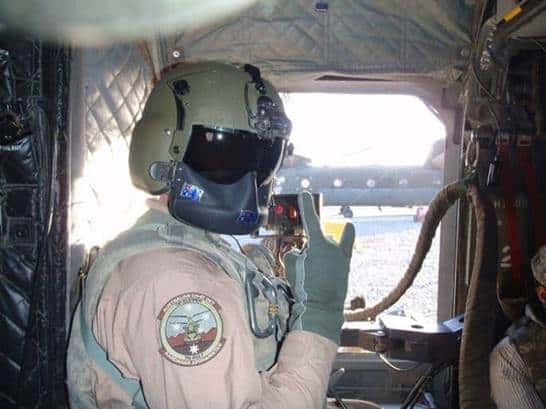
Matt’s service saw deployment to Timor-Leste, twice to the Solomon Islands and three times to Afghanistan, working alongside US forces. Of these tours, Afghanistan is the most memorable for Matt.
“During my time there, I operated a Combat Service Support aircraft which delivered people and cargo to outlying FOBs (Forward Operating Bases), as well as providing Combat Support to Australian and foreign Special Forces, conducting direct action missions.”
Matt joined Babcock in 2021 as Chief Aircrew Officer and has built a reputation as a great communicator and leader, and a fierce advocate for his teams.
We caught up with Matt to chat about his career at Babcock and his experience transitioning from Defence to civilian employment.
Tell us a bit about what your role as Chief Aircrew Officer involves.
As Chief Aircrew Officer I manage the Aircrew Officer and Rescue Crew Officer cohort, providing mentoring and technical advice. I oversee training and standardisation for our crews and our customers’ medical staff as part of our Helicopter Emergency Medical Services (HEMS) contracts across Australia.
I also provide input to tenders and bids as a subject matter expert.
What is your favourite part of your current role?
At Babcock, we are part of a team whose values aren’t just words on a page or window dressing to win contracts, but a real, tangible culture that strives for the highest standards.
My favourite part of the role is getting to make a positive difference in the community every day. The work I put into looking after my team and ensuring that we are safe, efficient and skilled, results in us putting more candles on birthday cakes for someone having the worst day of their life.
It’s unlike any other job I’ve had; we get to help people get more time with their loved ones.
How does Babcock support development of employees in the aviation sector?
We support development of our workforce through the Rescue Crew Officer Upskilling Scheme, which I am very proud of.
We identify consistently high-performing Rescue Crew Officers and give them the opportunity to upskill to an Aircrew Officer role, rewarding positive behaviours, and creating an internal, sustainable workforce pathway.
This requires a huge investment from the business, and I am grateful that Babcock sees the importance and supports this initiative.
What have you found to be transferrable skills from your service to your current role?
A wise Troop Commander once gave me some sound leadership advice – a saying from a Captain in the Light Horse Regiment at Beer Sheba. When asked what his priorities are, he said: ‘My men, my horse, myself’. I’ve carried this across to my civilian work and I make my team and their goals my primary focus. They feel this and reciprocate with an internal culture built on trust and mutual respect.
There are many other traits that military service gave me that have served me well in my civilian employment – respect for superiors, worry about the things you can influence, be punctual, present yourself well, be focused, be accountable for your actions, support the team and use initiative.
What aspects of your transition from Defence to civilian employment were easier than expected, and what challenges did you encounter?
The easy part was the job – it’s basically the same thing without weapons or a defensive mindset, but the tenet of service to the community remained the same.
The hard part was leaving lifelong mates and losing the close connection with friends. We all went our separate ways, and I lost that support network of friendship and had to forge new relationships.
Do you have any tips for current serving members or veterans who are thinking about a career change?
You may worry that by leaving the military you will lose your sense of purpose or not be able to satisfy the inbuilt focus on serving the nation – this is not the case. For example, in HEMS you have the opportunity to help someone on the worst day of their life and provide an essential service to the community and nation.
Maintain connection with your military mates, these connections are forged in fire and will last forever if you cultivate them. But you will also make new friends with likeminded people in HEMS while providing a critical service to the community.
This is the best job in the world.